Scoliosis: Understanding the Types, Symptoms and Treatment of Curved Spines
posted 26th November 2026
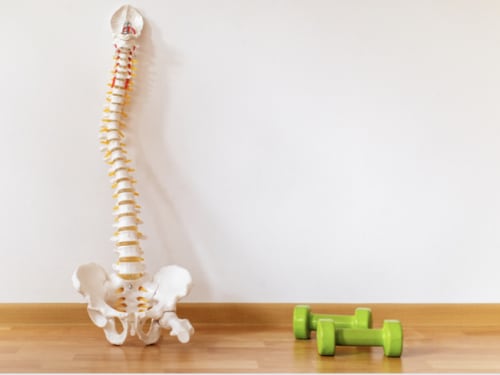
Scoliosis is a condition that causes the spine to curve sideways, often forming a C or S shape. It can affect babies, children, teenagers and adults, and can vary considerably in its severity and presentation. While some people have no symptoms and may be unaware they have scoliosis, others experience changes in posture, muscle discomfort, stiffness or back pain.
But not all spinal curves are the same. Some are structural, involving changes to the shape and rotation of the vertebrae, while others are functional and may be associated with factors such as pelvic positioning, muscle imbalance or leg length differences. Understanding the difference is important when deciding how best to assess and manage the condition.
In this article, we'll explore the different types of scoliosis, how it presents in babies, children and adults, what to look for during an assessment and how osteopathy can help manage some of the associated symptoms.
What is scoliosis?
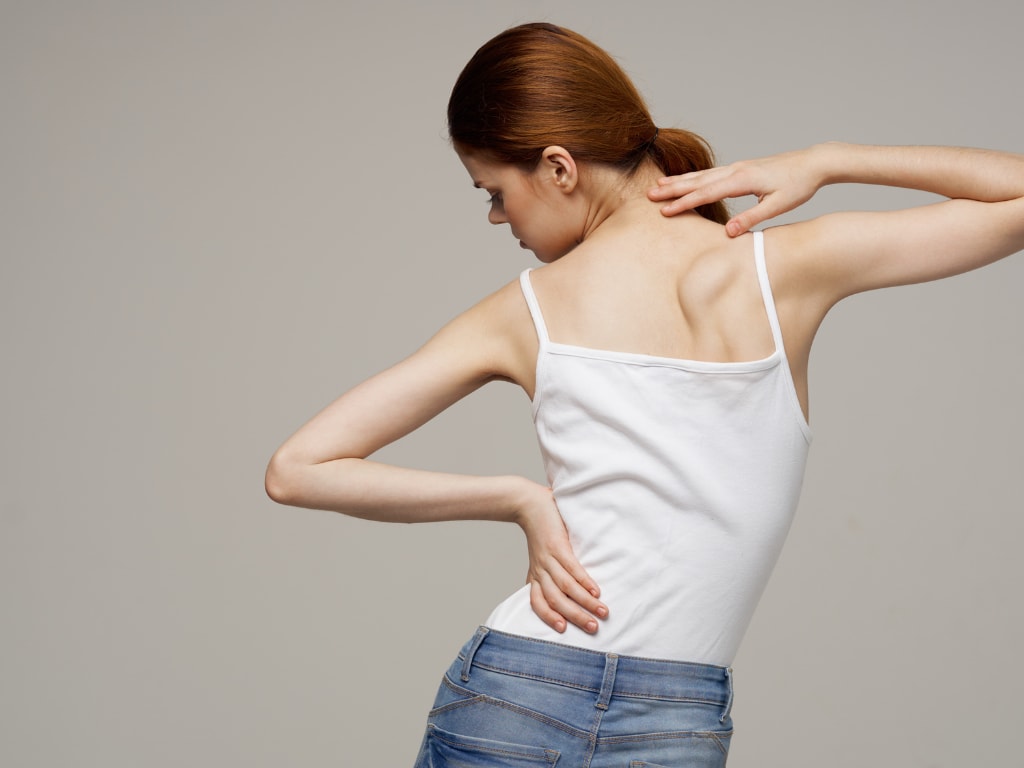
Scoliosis is a three-dimensional spinal condition in which the spine curves sideways and the vertebrae rotate. Rather than appearing straight when viewed from behind, the spine may develop a C-shaped or S-shaped curve. It can affect different regions of the spine, including the thoracic (upper and middle back), lumbar (lower back) or thoracolumbar (where the two meet) regions.
A spinal curve measuring 10 degrees or more, measured using the Cobb angle on an X-ray, is generally classified as scoliosis. Smaller curves are usually described as spinal asymmetry.
Common signs include:
- One shoulder sitting higher than the other
- One shoulder blade appearing more prominent
- An uneven waistline
- One hip sitting higher or appearing more prominent
- A visible rib prominence when bending forwards
- Clothes hanging unevenly
Not everyone with scoliosis experiences pain. Many people, particularly teenagers, have no symptoms at all.
Functional vs structural scoliosis
Not all spinal curves have the same underlying cause. An important distinction is between structural scoliosis and non-structural, sometimes called functional, spinal curvature.
Functional or non-structural curvature
A non-structural curve is usually a compensatory response to another factor rather than a fixed deformity of the spine. Possible contributors include pelvic obliquity, a true leg-length discrepancy, muscle spasm, pain or habitual positioning.
The curve may reduce or disappear when the underlying cause is addressed or the person's position changes. Unlike structural scoliosis, there is no fixed vertebral rotation associated with the curve.
Structural scoliosis
Structural scoliosis involves a persistent three-dimensional change in spinal alignment, including sideways curvature and vertebral rotation. The curve may be associated with changes in the shape of the vertebrae and rib cage.
It does not simply disappear when someone changes position, although some structural curves retain a degree of flexibility. Flexibility alone cannot distinguish functional from structural scoliosis. Imaging is needed to confirm and measure structural scoliosis.
The different types of scoliosis
Scoliosis is classified according to its underlying cause and the age at which it develops. The main types include:
Idiopathic scoliosis
Idiopathic scoliosis is the most common type. The term idiopathic means that there is no identifiable underlying cause. It is divided into categories according to the age at which the curve develops:
- Infantile: birth to 3 years
- Juvenile: 4 to 10 years
- Adolescent: 11 years to skeletal maturity
- Adult: scoliosis persisting beyond skeletal maturity or presenting in adulthood
Congenital scoliosis
Congenital scoliosis develops before birth because one or more vertebrae do not form or segment normally during pregnancy. For example, a hemivertebra occurs when a vertebra only partially develops. The resulting curve may be present at birth and can progress as the child grows.
Babies with suspected congenital scoliosis require medical assessment, as other congenital abnormalities can sometimes be associated with it.
Neuromuscular scoliosis
This type develops in association with conditions affecting the nervous system or muscles. Examples include cerebral palsy, muscular dystrophy and spinal muscular atrophy. Changes in muscle control and strength can affect the support and alignment of the spine, sometimes resulting in progressive curvature.
Degenerative scoliosis
Degenerative scoliosis develops in adulthood, often as a result of age-related changes to the spinal discs and facet joints. Uneven disc degeneration and joint changes can contribute to a new or progressive sideways curve, most commonly in the lumbar spine.
Scoliosis in babies and young children
Scoliosis can be present from birth or develop during the first few years of life. In babies, spinal asymmetry may be noticed through a persistent C-shaped posture, a tilted trunk, uneven shoulders or an asymmetrical rib cage.
However, a baby who consistently adopts a curved position does not necessarily have scoliosis. Positional preferences, torticollis and other developmental factors can also contribute to asymmetry.
Infantile idiopathic scoliosis is a relatively uncommon form that develops before the age of three. Some curves improve spontaneously, while others can progress and require treatment.
How we assess babies
When assessing a baby, we look at the overall symmetry of the head, neck, shoulders, spine, rib cage and pelvis. We observe the baby in different positions, including lying on their back and tummy, and look at whether the asymmetry changes with repositioning.
We also consider:
- Head position and neck rotation
- Shoulder and pelvic symmetry
- Spinal alignment and rib cage shape
- Limb movement and symmetry
- Muscle tone and neurological signs
- Relevant skin markers over the spine
A clinical examination cannot confirm or exclude structural scoliosis. If a persistent spinal curve is suspected, medical referral is important so that appropriate investigations and specialist monitoring can be arranged.
Scoliosis in teenagers
Adolescent idiopathic scoliosis is the most common type of scoliosis and often develops around puberty, particularly during periods of rapid growth. The cause is not fully understood, although genetics and other biological factors are thought to play a role.
It is frequently painless, meaning that parents may be the first to notice changes in their child's posture. These might include one shoulder sitting higher, an uneven waistline, a prominent shoulder blade or a rib hump when bending forwards.
Growth is an important consideration because curves can progress during periods of rapid skeletal development.
Depending on the size of the curve, the child's age and how much growing remains, management may involve regular monitoring, scoliosis-specific exercises, bracing or, in more severe cases, surgery. Early assessment is valuable because it allows potential progression to be identified and monitored.
Scoliosis in adults
Adults can have scoliosis that began during childhood or adolescence and persisted into later life. Alternatively, a new curve can develop in adulthood, often as a result of degenerative changes in the spine.
Adult scoliosis may cause:
- Back pain
- Stiffness and reduced mobility
- Muscle fatigue
- Changes in posture
- Uneven shoulders or hips
- Nerve irritation, causing pain, tingling, numbness or weakness travelling into the legs
In more advanced cases, spinal narrowing or changes in balance and mobility may also occur.
Management depends on the individual's symptoms, the severity of the curve and whether there are any associated neurological problems. Treatment may include exercise, physiotherapy, pain management and, in selected cases, specialist spinal intervention or surgery.
The aim is often to improve comfort, maintain mobility and support everyday function.
How is scoliosis assessed?
A thorough assessment starts with a detailed history. We want to understand when the asymmetry or symptoms first appeared, whether they have changed over time, whether there is a family history of scoliosis and whether there are any associated symptoms or relevant medical conditions.
Postural assessment
We look at shoulder height, shoulder blade position, waist symmetry, pelvic alignment and the overall appearance of the spine.
Adam's forward bend test
The patient bends forwards with their knees straight and arms hanging down. We look for asymmetry or a prominence of the ribs or lower back, which may suggest vertebral rotation.
Scoliometer measurement
A handheld device can measure the angle of trunk rotation and help identify people who may need further investigation. It is a screening tool, not a diagnostic instrument.
Movement and neurological assessment
Where appropriate, we assess spinal mobility, associated muscular tension, limb strength, sensation and reflexes.
Imaging and diagnosis
An X-ray is used to confirm structural scoliosis and measure the Cobb angle, which helps establish the degree of curvature. MRI may also be recommended in certain circumstances, particularly where there are neurological findings or atypical features.
How can osteopathy help?
It is important to understand that osteopathy cannot straighten a structural scoliotic curve or reliably prevent it from progressing. However, for some people, particularly adults, osteopathic treatment may help manage associated musculoskeletal symptoms such as back pain, stiffness, muscular tension and reduced mobility.
Treatment is tailored to the individual and may include:
- Appropriate soft tissue techniques
- Gentle joint mobilisation
- Movement advice
- Exercises to support strength, mobility and function
- Advice on managing symptoms and maintaining activity
The aim is to help people feel more comfortable and maintain their ability to carry out everyday activities, rather than trying to force the spine into a symmetrical position.
For babies, children and teenagers with suspected or confirmed scoliosis, appropriate medical assessment and specialist paediatric or spinal care are essential. Depending on the presentation, this may include monitoring, scoliosis-specific physiotherapy, bracing or surgical treatment. Osteopathic care should not replace these interventions.
When should you seek professional advice?
If you notice a persistent spinal curve, uneven shoulders or hips, a prominent rib cage or changes in your child's posture, it is worth seeking an assessment. Early investigation is particularly important in babies and growing children, as some curves can progress during development.
New or rapidly worsening spinal curvature, significant or persistent night pain, neurological symptoms, or changes in bladder or bowel function should be assessed promptly by a medical professional.
When should you seek professional advice?
If you notice a persistent spinal curve, uneven shoulders or hips, a prominent rib cage or changes in your child's posture, it is worth seeking an assessment. Early investigation is particularly important in babies and growing children, as some curves can progress during development.
New or rapidly worsening spinal curvature, significant or persistent night pain, neurological symptoms such as weakness, numbness or changes in walking, or changes in bladder or bowel function should be assessed promptly by a medical professional. New bladder or bowel problems or numbness around the groin or saddle area require urgent medical attention.
How Osteopathy West London can help
At Osteopathy West London, we take an individualised approach to assessing and treating musculoskeletal problems. Whether you're concerned about your child's posture, have noticed changes in your own spinal alignment or are experiencing back pain associated with scoliosis, our experienced team can help assess your symptoms and advise on the most appropriate next steps.
We offer osteopathic assessment and treatment in Ealing for adults, children and babies. Where necessary, we'll recommend further medical investigation or referral to ensure you receive the right care.
Although osteopathy cannot correct a structural spinal curve, treatment may help manage associated pain, stiffness and muscular discomfort, supporting mobility and everyday function.
If you're concerned about scoliosis or would like advice about persistent back pain, we'd be happy to help.
Book an appointment online through our website at osteopathywestlondon.com or contact our friendly team if you're unsure which appointment is right for you.
Sources and further reading
For anyone who would like to learn more about scoliosis, the following resources provide further information: