Pelvic Health and Dysfunction Explained
posted 26th October 2026
The pelvic floor is a group of muscles within your pelvis that supports many organs and their function. In women, these include the uterus, bladder, bowel, and rectum (the lowest part of the bowel, near the anus). For men, the list repeats by replacing the word 'uterus' with the word 'prostate'.
The pelvic floor is commonly mentioned during pregnancy and gestation, but it has an essential role in men and women’s health. So what does it do? And is your pelvic floor working well?
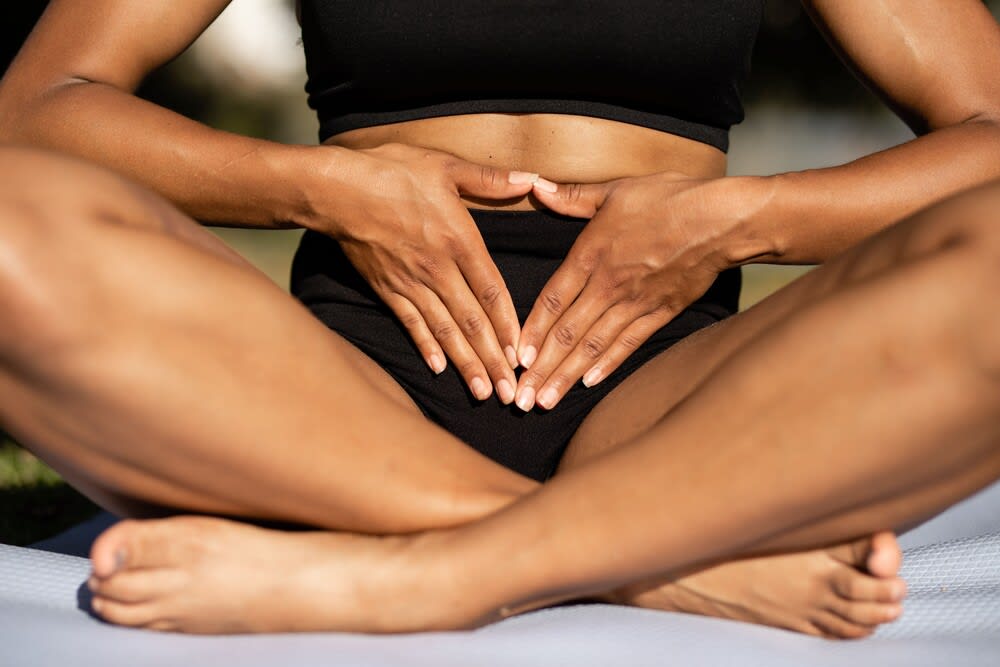
Pelvic Floor: a team effort!
Your pelvic floor should be flexible, adaptable and strong. As a postural muscle, our pelvic floor always needs some level of tension, but too much can reduce its ability to absorb impact and contribute to stress incontinence. On the other hand, too much flexibility and not enough tension could promote ligament issues and organ prolapse.
A healthy pelvic floor means:
- Good bladder and bowel function, no incontinence, no constipation or diarrhoea
- Normal period flow without excruciating cramps; no abdominal or lower back pain during your period
- Your period flow is considered abnormal/heavy if you need to change your period products every 1-2 hours or get blood clots. If that’s the case, speak with your GP
- Good sexual function and libido, no pain on penetration (regardless of the position), no issues with erections
- Normal breathing mechanics, no pain on coughing, sneezing and laughing
- No lower back, hip, groin or buttock pain
- No pain with daily movements such as walking, running, squatting, sitting, and climbing stairs.
If you have pelvic floor issues, you may experience:
- Bowel and bladder issues, including multiple toilet visits and leaking, and inability to fully empty either
- Heavy period flow, strong period cramps, and a feeling of heaviness in your abdomen/lower back
- Pain during sex, issues with erections, reduced intimacy (due to pain or fear of pain)
- Changes to your breathing mechanics, pain on coughing, sneezing or laughing, shallow breathing
- Abdominal separation (diastasis recti) related to or not related to pregnancy
- Difficulty with daily movements, straining on the toilet
A few things can increase your likelihood of having pelvic floor issues:
- Lack of exercise, poor lifestyle, weight gain
- Chronic coughing (due to smoking, asthma, etc)
- Medical conditions such as diabetes, parkinson’s disease and other neurological conditions
- Hormonal imbalances due to endometriosis, fibroids, PMOS/PCOS, pregnancies and menopause
- Pelvic surgery (prostate surgery, endometriosis surgery, hysteroscopy, hysterectomy, etc)
To Kegels or not to Kegels?
Kegel exercises are a workout designed specifically for your pelvic floor. They target maximum contraction and relaxation ability, two very important functions for pelvic health. The issue is that pelvic health involves more than that, including body awareness, pain perception and coordination of 35 different muscles (aka everyone in your core group). Kegels are useful! But they often aren't a stand-alone solution, because the most important aspect of pelvic health is teamwork. Kegel exercises fail to integrate deeper core muscle activation and can ignore the fact that up to 79% of pelvic pain cases are linked with increased muscle tension, not weakness.
Pelvic floor issues aren’t always due to weakness, and recognising symptoms is very important. Your pelvic floor is strong; remember that. It supports all of your organs, the weight of your body and the impact of your daily life. During pregnancy, it does all of that as well as care for and protect your baby as it grows. It changes and transforms with you; that’s why it is so important to listen to it when it tells you that something is wrong.
So to recap: Kegels are useful, but they are not for everyone, and they need to be tailored to your individual needs. The best way to know if Kegels are for you is with a pelvic floor assessment by a pelvic therapist, where they will thoroughly investigate your symptoms, pelvic function, and core function and prescribe exercises tailored to your context. To hear more about our Osteopathy West London Pelvic health services, click this link.
Leaking is not normal!
There are different forms of urinary incontinence (issues controlling your urine flow), and they affect both men and women worldwide. This remains a major issue that can severely impact people’s health and quality of life.
Stress urinary incontinence (or leaking) is described as accidental urine leakage following a sudden positional change. It often happens after physical activity, but it can also happen after changes in your abdominal pressure (like when you sneeze, laugh, cough or lift something). There are different treatments available for incontinence issues, including medications, physical therapy, lifestyle changes, pelvic therapy and, when necessary, surgery.
As discussed a couple of paragraphs above, maintaining a good level of physical activity and a healthy balanced diet is a very useful way to both treat and prevent these issues. Doing regular health checks is also important because other causes for urinary incontinence are prostate issues, bladder/kidney stones and pre-existing health conditions (diabetes, enlhers dahnlos, endometriosis, etc.).
The main thing to keep in mind is that leaking is not normal. Regardless of your gender, age, number of surgeries or pregnancies, if you experience leaking and other issues related to urine control, then speak with your GP.
Complex Problems Require Complex Solutions
In this post, we learned that pelvic health is much more than pregnancy and gestation, as it can affect both men and women at any point in their lives. The pelvic floor has both an active and passive role in many of our bodily functions, including digestion, urination, sexual wellbeing, breathing mechanics, locomotion and overall movement. Issues with one’s pelvic floor can severely impact their quality of life, with symptoms ranging from urinary leakage to lower back pain and everything in between. Approaching pelvic health with a holistic view is non-optional, as it is the result of an intricate combination of physiological, neurological, and musculoskeletal functions within the context of one’s lifestyle choices.
Many pre-existing health conditions can influence pelvic health, and although osteopathy is not a cure for them, it can certainly help with symptom management and improving patients’ quality of life. The best way to prevent these issues is being able to recognise them in the first place so that you can advocate for yourself when seeking help from qualified professionals.
The National Institute for Health and Care Excellence (NICE guidelines) recommends a multimodal approach to pelvic dysfunction and urinary incontinence so that patients can not only feel better but also understand their bodies and work towards preventing future issues.
Pelvic Health at Osteopathy West London
At Osteopathy West London, we highly value the importance of a true holistic approach to pelvic health. Despite our patients’ different needs, morphologies and lives, they all have one thing in common: a body that thrives when it’s healthy. Our approach is to listen to your experience, understand how your symptoms affect you and reconnect your body with its tendency towards health through hands-on techniques, individualised treatment plans and osteopathic care where appropriate.
Your appointment may include a detailed discussion of your symptoms and medical history, alongside a musculoskeletal and functional assessment. Depending on your presentation, we may assess spinal and hip movement, strength, muscle tension and the movements or activities that aggravate your symptoms.
Where clinically appropriate and with your informed consent, an internal pelvic examination may be discussed to assess pelvic floor function. This is optional and may be done under the supervision of a chaperone, should you wish to request one.
If we identify musculoskeletal factors that may be contributing to your discomfort, treatment may include appropriate hands-on techniques, medical acupuncture where suitable, movement advice and a tailored exercise plan.
We recognise the importance of working alongside other healthcare professionals. Where needed, we will recommend that you seek further assessment from your GP, gynaecologist or other pelvic health specialists.
If you have undergone surgery, we can also discuss appropriate support during your recovery, taking into account your procedure, symptoms and medical advice.
Our aim is to help you feel heard, supported and better equipped to manage the physical impact of your symptoms.
Would you like to discuss your symptoms?
If you are experiencing pelvic pain, leaking or musculoskeletal discomfort associated with pelvic floor issues, we are happy to discuss whether osteopathic care may be appropriate for you.
At Osteopathy West London, we offer a range of women's health services in Ealing. You can also book a free 15-minute introductory consultation to discuss your concerns and find out more about our approach here. Or learn more about our women's health services at Osteopathy West London here.
This article is intended for general information and does not replace medical assessment, diagnosis or treatment. Please contact your GP if you are concerned about your symptoms.
About Ana Freitas
Ana qualified with a Master's degree in Osteopathy from University College of Osteopathy (UCO). She has a particular interest in women's health and completed a two-year placement at the UCO Women's Health and Expectant Mothers Clinic.
Ana treats patients of all ages and gender, though has a particular interest in women's health. She has experience supporting women with a wide range of concerns, including pregnancy-related pain, chronic pelvic and abdominal pain, pelvic floor dysfunction, endometriosis, adenomyosis and symptoms associated with perimenopause and menopause.
References
1. NHS inform pelvic floor muscles - https://www.nhsinform.scot/healthy-living/womens-health/middle-years-around-25-to-50-years/pelvic-health/pelvic-floor-muscles/
2. Bowel Research UK - https://bowelresearchuk.org/about-bowels/other-bowel-disorders/pelvic-floor-dysfunction/
3. As-Sanie, Sawsan, et al. “Evaluation and Treatment of Chronic Pelvic Pain.” Obstetrics & Gynecology, vol. 147, no. 1, 20 Nov. 2025, pp. 21–43, - Evaluation and Treatment of Chronic Pelvic Pain : Obstetrics & Gynecology
4. NHS urinary incontinence - https://www.nhs.uk/conditions/urinary-incontinence/